
Methamphetamine has been a prominent part of gay culture for many years and it has also been associated with unprotected sex and is connected with HIV transmission. This article explores crystal methamphetamine and unpacks some of the questions you might have about the drug and highlights some of the stigma that can be associated with using the drug. If you currently use crystal meth or have used crystal meth in the past, please share your thoughts and experiences by leaving a comment at the end of this article. According to an article published at the National Library of Medicine, methamphetamine was reported to be the most used drug in the late 1990s and early 2000s by gay and bisexual men, which was also around the tail end of when HIV transmission was also very high.
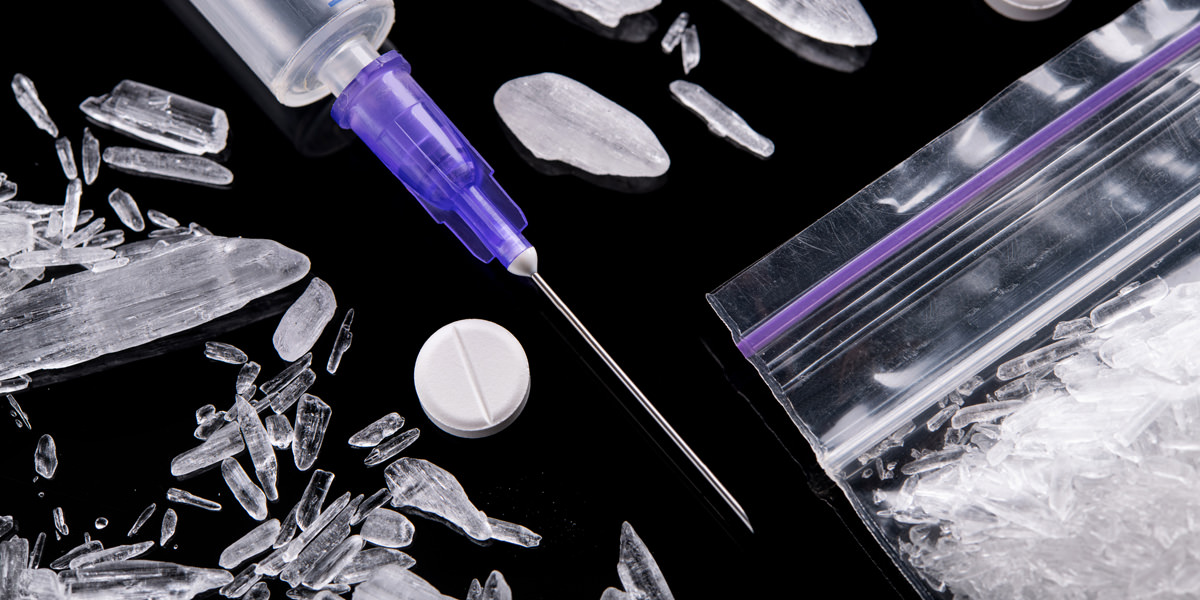
Crystal meth is the shortened name for crystal methamphetamine, but there are also a number of different names used to describe the drug, including crystal, chrissy, meth, tina (or just T), ice, speed, crank and glass. Crystal meth can be introduced to the body a number of different ways, including swallowing (parachuting), snorting (bumping), smoking (blowing clouds), hot railing (an alternate way to smoke), rectal administration (booty bumps) and injecting (slamming or pointing). Methamphetamine can be found in a number of different forms, with the most common being white powder or a clear rock.

The drug is a powerful stimulant that artificially overdrives the brain’s pleasure and reward centre, and results in an “enhanced” state of increased sexual drive and prolonged pleasure, while reducing inhibitions and impairing judgement. The drug’s power is further demonstrated by the length of time its effects, or “high” are experienced by the user, which can be 8 to 12 hours. Once the high is over, and the user begins what is called the “come down”, additional emotional and psychological side effects will become part of the experience, as the feelings of withdrawal can begin quickly after discontinuing use. These include depression, irritability, shaking, nausea, palpitations, sweating, excessive drowsiness, difficulty sleeping, increased appetite, suicidal ideation and some other mental health concerns. The come down is often accompanied by a “crash”, where the user may sleep for excessive amounts of time. While using the drug, other real time health concerns include an elevated heart rate, blood pressure, respirations, pulmonary hypertension and decreased lung capacity when smoked.
Men who have sex with men are known to experience a variety of mental health issues, so the reasons for starting and continuing use are just as varied. According to an article in the American Journal of Men’s Health, gay men are likely to experience depression three times higher than the general adult population, which can lead to a higher risk of suicide, with strong evidence that gay men are more likely to experience suicidality than heterosexual men. The article added that depression and suicidality may also increase gay mens risk of alcohol and drug overuse, unprotected anal sexual intercourse and HIV, with relationship problems, accepting one’s homosexuality, experiencing homophobia, institutional discrimination and alienation from gay communities being underpinning issues.
The connection between crystal meth and HIV transmission can be made in a number of different ways. For those who are HIV-negative, the feeling of intense sexual drive means they might engage in unprotected and riskier sex whilst under the influence of the drug, which they might not have necessarily done if they were sober. For those who are HIV-positive, the loss of time can mean that adherence to medication could lead to issues with viral load, so the culmination of these factors can lead to a spike in HIV transmission for those who are taking the drug. It’s also reported that crystal meth can stimulate HIV production and decrease T-cell counts.
In 2021, the results of the Together 5,000 study were released, which found that during the 12-month data collection period, one-in-three seroconversions among sexual and gender minorities were persistent methamphetamine users. Enrolment for the study ended in June 2018, with participants involved in the trial for 12 months. 4,786 people were enrolled in the study and a total of 251 HIV infections were identified in the study with 136 (136 / 4,786 = 2.84%) identified at enrolment and a further 115 (115 / 4,786 = 2.47%) were identified during the 12 month study period, which was considerably higher than the total number of new infections recorded nationwide. Here is some data that has been extracted from the full study results.
| Abstinent | Baseline Only | Incident Use | Persistent Use | |
|---|---|---|---|---|
| Age at Enrolment | ||||
| 16 to 24 | 1,010 | 26 | 30 | 30 |
| 25 to 35 | 2,081 | 91 | 45 | 212 |
| 36 to 45 | 797 | 20 | 18 | 157 |
| 46 to 55 | 239 | 6 | 1 | 23 |
| Race/Ethnicity | ||||
| White | 2,202 | 64 | 43 | 259 |
| Black | 438 | 14 | 12 | 19 |
| Latinx | 965 | 48 | 27 | 96 |
| Asian and Pacific Islander | 171 | 3 | 3 | 6 |
| All other | 351 | 14 | 9 | 42 |
| Incident HIV (during 12 month period) | ||||
| No | 4,064 | 138 | 88 | 381 |
| Yes | 63 | 5 | 6 | 41 |
| Prevalent HIV (before 12 month period) | ||||
| No | 3,876 | 116 | 87 | 308 |
| Yes | 138 | 18 | 6 | 89 |
| Indeterminate | 38 | 3 | 0 | 7 |
| Syphilis | ||||
| No diagnosis | 3,786 | 116 | 84 | 314 |
| In year prior | 120 | 8 | 1 | 27 |
| Incident | 185 | 16 | 8 | 57 |
| Persistent | 36 | 3 | 1 | 24 |
Legend:
Abstinent: No use at baseline or within 12 month study period
Baseline only: Baseline use only, no use between baseline and 12 month study period
Incident use: Indicated use between baseline and 12 month study period
Persistent use: Baseline and 12 month usage
The study also found that other factors associated with HIV seroconversion risk included race and a syphilis diagnosis. A syphilis diagnosis can directly serve as a transmission pathway for HIV, with syphilis rates in the United States steadily increasing for the past two decades. The study also found that injection drug use (if needles are shared) and rectal administration, also known as booty bumps can also serve to create a direct route for HIV to pass between partners based on the needle risk if needles are shared and booty bumps compound the risk as a result of damage that methamphetamine can do to the lining of the rectum, as anal sex often follows booty bumps.

The U.S. City of San Francisco provides impressive HIV Epidemiology reporting, with some of the data extrapolated from the 2021 annual report presented here to provide you with an analysis that is based on extensive reporting and detail. A copy of the full annual report is provided below. 15,631 residents of San Francisco were diagnosed with and living with HIV at the end of December 2021, which represents 11% of people living with HIV in California, which is less than 2% of people living with HIV in the United States. There were 87 diagnoses of HIV stage 3 (AIDS) in 2021, with 8,759 San Francisco residents living with HIV ever classified as stage 3. The number of new HIV diagnoses in 2021 was 264 and in terms of the highest proportion of diagnoses in 2021, this was the 30-39 age group with Latinx people experiencing the highest proportion of diagnoses in 2021.
The proportion of HIV-positive men who have sex with men reporting condomless anal intercourse in the past six months prior increased from 60% in 2013 to 2020 to 87% in 2021. The number of reported rectal gonorrhoea diagnoses among HIV-negative men who have sex with men increased from 668 in 2019 to 1,028 in 2020 and to 1,109 in 2021. From 2012 to 2021, white people accounted for 42% of new HIV infections among people who inject drugs, with black/African Americans accounting for 25% and Latinx accounting for 19%, with an increase in HIV transmissions for 2020 and 2021. Methamphetamine use was stable between 2012 to 2019, then increased in 2019 and 2020, but decreased in 2021, although the decrease in 2021 could relate to a change in survey methodology.
Even though there is an association with the use of crystal meth and HIV transmission, it’s important to understand that people can become HIV-positive various ways. For some, it’s unintentional, where the virus may have been acquired through unprotected sex, whether under the influence of drugs or not. Some people acquire HIV on purpose as a result of bug chasing or just enjoying the thrill of putting themselves in risky situations, but this does not mean that every HIV-positive person contracted the virus deliberately, so we should never associate being HIV-positive with intentional viral transmission, as we each have unique circumstances and making assumptions should be avoided. At the same time, we should also avoid judging those who are users of crystal meth, as the world is complicated and we are all in different situations, so it’s better to learn from others and their experiences, rather than judging without knowing all the facts.
Poll
Acknowledgement
I want to give a big thank you to the person who provided me with the excellent resource from the San Francisco Department of Public Health and who also inspired the creation of this article, in addition to providing me with some excellent guidance along the way, due to my lack of experience in this area. I know you have asked to remain anonymous, but I still want to acknowledge your important contribution to this article and I am very grateful for the assistance you have given me.
References and External Resources:
- Mental Health Facts For Gay Populations
- Depression and Suicidality in Gay Men: Implications for Health Care Providers
- The crisis we are not talking about: One-in-three annual HIV seroconversions among sexual and gender minorities were persistent methamphetamine users
- 2021 San Francisco HIV Epidemiology Annual Report (only accessible with US IP address)
Featured Photo: Photo 175736074 © Dimasobko | Dreamstime.com
Article ID: CC068
Version Control: 1.0 – September 1, 2023: Original article published.