There can be a multitude of reasons as to why we experience bug chasing desires or feel some kind of connection to bug chasing. Each one of these reasons can be deeply personal and some of us might have more than one reason that we resonate strongly with, while some of us are still struggling to understand why we have an interest in bug chasing. This article will explore a reason that involves two processes of human biology, by comparing human fertilization with HIV transmission.
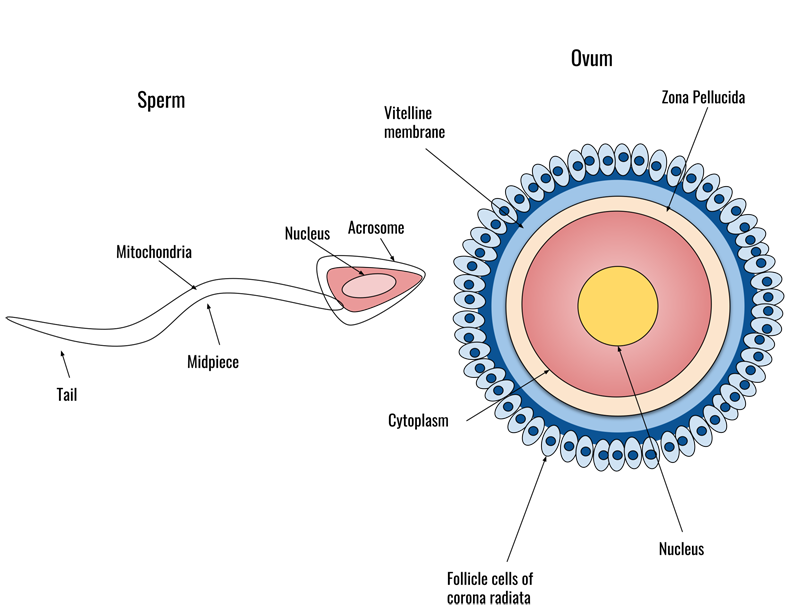
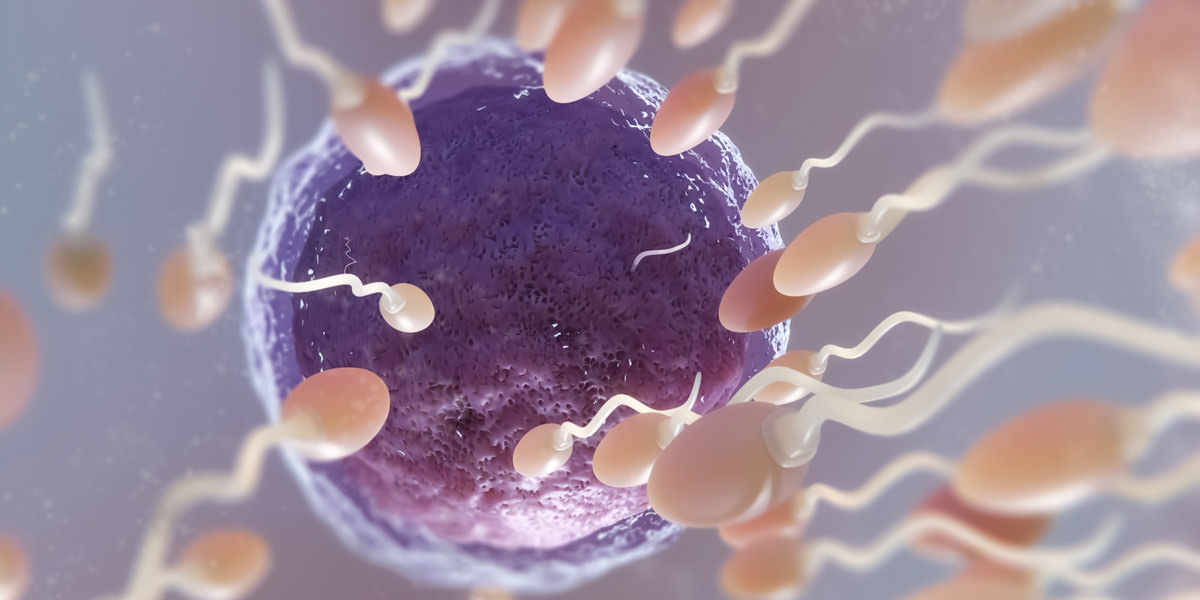
Some bug chasers associate HIV transmission with pregnancy and when you stop for a moment to think about this, the initial part of each process could be considered to be quite similar. When it comes to human fertilization, an action takes place in the ampulla of the fallopian tube, which results in the sperm of the male going off in search of the egg inside the female, where there will be a fusion process to begin with. The successful outcome will be the creation of human life through the insemination process.
To elaborate further, the sperm is a cell that embarks on a journey through the female reproductive system with a single goal in mind, which is to meet and fuse with an egg. This union sets off a cascade of events, resulting in the formation of a single cell that carries the full genetic blueprint of a new human being. Once the sperm enters the egg, the genetic materials combine, replicate and divide, setting the stage for the development of an embryo and eventually a fetus. Out of the billions of sperm cells released, only a select few get the chance to reach the egg and even less will succeed in fertilizing it.
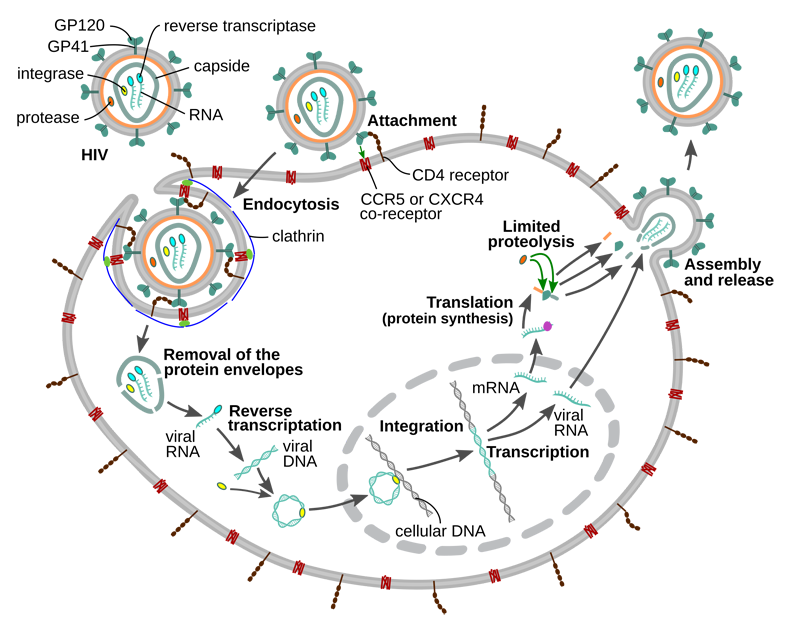
Similarly, the process with HIV infection results in HIV entering the body and going in search of CD4+ T cells, which then involves a fusion and replication process that results in CD4+ T cells becoming infected with the virus and the process continues as HIV goes off in search of other CD4+ T cells to infect inside the human body. The successful outcome through this process results in HIV being able to survive inside the body and thrive, just as a baby develops and grows stronger in the womb.
Following a similar path to the insemination process, HIV enters the body and embarks on a journey with a single goal in mind, which is to seek out CD4+ T cells, which are crucial elements of the immune system. Once inside the T cell, HIV hijacks the cell’s machinery to replicate itself, which often involves destroying the immune system’s defences in the process. The virus ingrates its genetic material into the host cell’s DNA and in doing so begins to produce new viral particles, that eventually burst out to infect more T cells to continue the cycle, which could be compared to the ejaculation process following an orgasm.
Whether it’s pregnancy or HIV transmission, both physical actions involve the use of sex and bodily fluids (or bodily fluid injection as an alternative to sexual intercourse). For those trying to become pregnant, the male will use the female’s vagina to thrust his penis, then release his semen (unless IVF is involved), which is bodily fluid that carries sperm to achieve the goal of creating life through sexual intercourse. A gift giver is offering his toxic semen and sperm, which is a fertilization variant to infect the person he is having sexual intercourse with, or this could also be achieved by injecting infected blood, also known as a poz infusion.
Both processes involve bodily fluids to alter the other person, with the female becoming pregnant and the bug chaser carrying the virus once they are infected with HIV. A fetus will use the human body to develop until a child is born and HIV will use the body to become stronger and continue to infect more T cells so it can survive and thrive. Bug chasing is very personal and each person will have their own reasons for wanting to chase the bug and become HIV-positive. For men who cannot have children and want to align their lives as closely as possible to what society might consider to be a normal sex life, it’s easy to see why someone might consider HIV infection as being similar to human fertilization.
It’s important to point out that whilst human fertilization and HIV infection might have similar beginnings, the final outcomes are completely different. Human fertilization can lead to the creation of life and after approximately 9 months, a baby is born and then leaves the body of the carrier. In comparison, HIV infection leads to life of HIV, at the same time the virus is destroying CD4+ T cells in the body of the carrier and at this point in time, the virus never leaves the body. When you consider external factors, a baby grows into a child and then an adult and if left unmedicated, HIV will also continue to grow as it multiples inside the human body and becomes stronger.
The biological collaboration between sperm and egg is different to the relationship between HIV and the CD4 T cell, but the overall concept that marks the initial phase of pregnancy and infection could be regarded as being similar. As bug chasers, we will often spend enormous amounts of time in search for reasons why we feel a connection to the virus. Sometimes we are looking for answers to satisfy our own curiosity and sometimes we are in search of a reason to give others. Taking the step to actively chase HIV; the virus that can lead to AIDS is very personal and is a decision that can only be made by each of us as the custodian of our own lives, which means the choice is yours and nobody elses.
References and Further Reading:
Featured Photo: Designed by Freepik
Infographics: Courtesy of Creative Commons BY-SA 4.0
Article ID: CC084
Version Control: 1.0 – October 16, 2025: Original article published.