
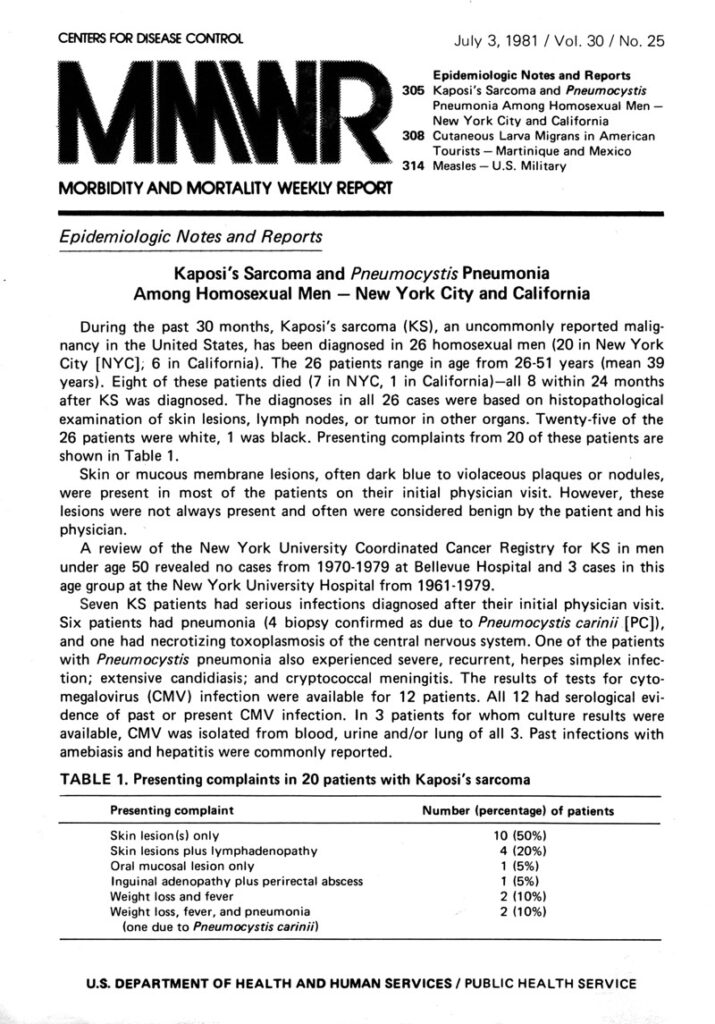
The U.S. Centers For Disease Control (CDC) published an article in their Morbidity and Mortality Weekly Report (MMWR) on June 5, 1981 marking the first official reporting of what would later become known as Acquired Immunodeficiency Syndrome (AIDS). Two people had already died of AIDS at the time this report was released and since then an estimated 42.3 million people have died across the globe from AIDS-related illnesses according to UNAIDS. In 2023, an estimated 630,000 died from AIDS-related illnesses worldwide, meaning someone died as a result of the virus every minute.
The term AIDS is used less frequently these days, perhaps because less people are dying from AIDS or because antiretroviral therapy (ART) is preventing many deaths caused by AIDS, but AIDS still exists. There has been a recent shift from the term AIDS to “advanced HIV” or “HIV Stage 3”, which is taking the focus away from AIDS and putting more emphasis on HIV. A possible reason could be to reduce the stigma that can be associated with HIV/AIDS or because the term AIDS can be triggering for some.
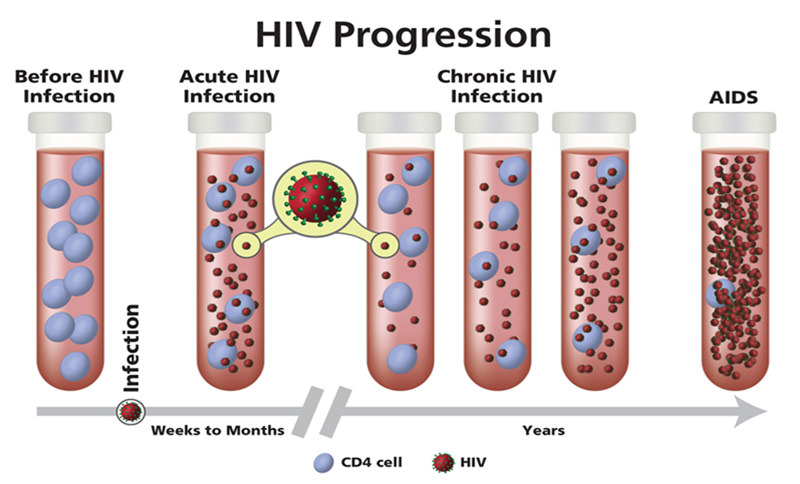
An AIDS diagnosis refers to the final stage of Human Immunodeficiency Virus (HIV) and once a person has been diagnosed with AIDS, they will forever be known to have AIDS, even if their CD4 count increases and their viral load reduces as a result of antiretroviral therapy (ART). AIDS is diagnosed when a persons CD4 count drops below 200 cells per cubic millimeter (mm3) of blood or when opportunistic infections or specific cancers, such as Kaposi’s sarcoma or certain types of pneumonia take advantage of the weaker immune system. In comparison, a person with a healthy immune system has a CD4 count between 500 and 1,600 cells per cubic millimeter (mm3).
HIV is a virus that attacks the immune system, where it specifically targets the CD4 cells, which are also called T-helper cells; a type of white blood cell that helps the body fight off infections. The virus uses CD4 cells to replicate and become stronger, which destroys the CD4 cells so the body can no longer defend itself against infections. If left untreated, the virus will reduce the number of CD4 cells in the body, which makes the body more susceptible to opportunistic infections caused by bacteria, viruses, fungi or protozoa.
HIV can be acquired through contact with bodily fluids that contain the virus and the only bodily fluids that can transmit HIV are blood, breast milk, pre-seminal fluid, rectal fluids, semen and vaginal fluids. HIV is transmitted when these fluids enter the bloodstream of another person, which could be through an injection or coming into contact with a mucous membrane or damaged tissue during sexual intercourse. Mucous membranes are present inside the mouth, penis, rectum and vagina.
Due to a higher concentration of virus in the blood and semen when a person is infected, HIV is more easily transmittable during the first stage. The virus reproduces during the second stage at much lower rates, so transmission is reduced, because there is less virus in the blood and semen. According to a UK study from 2008, a CD4 count can drop to 200 without ART in 1 to 2 years for 1 in 4 people (25%), who are known as fast progressors, in 2 to 10 years for 2 in 4 people (50%) and in 10 to 15 years for 1 in 4 people (25%). Less than 1% of people would still have a high CD4 count after 15 years and these people are known as long term slow progressors, or elite controllers.
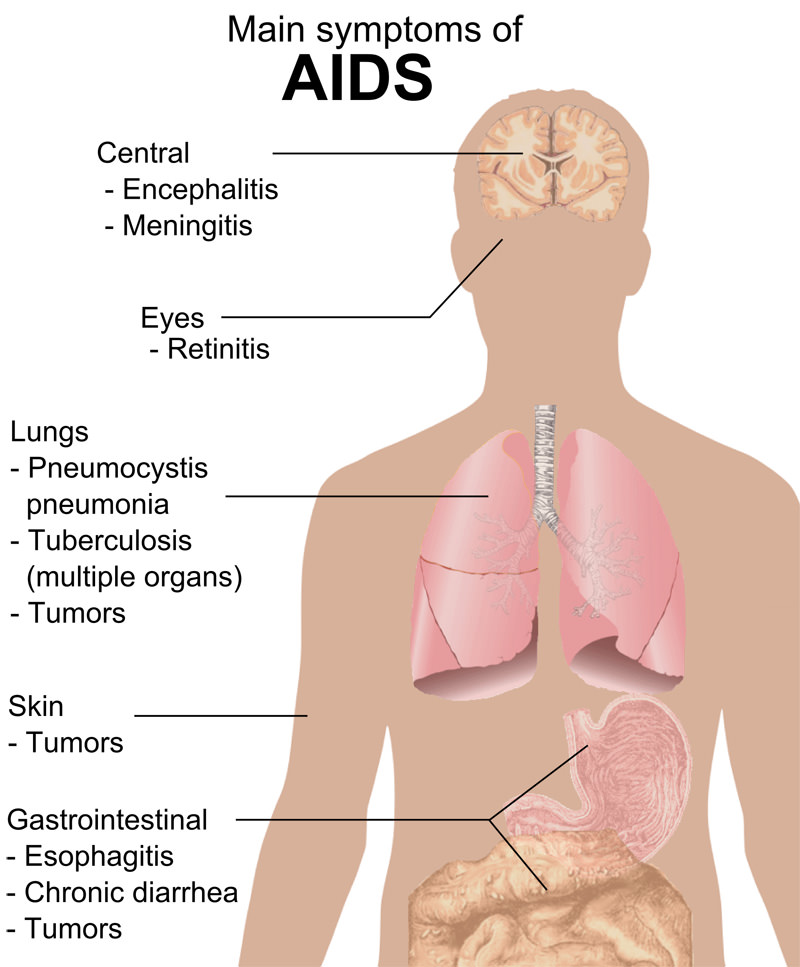
Main Symptoms of AIDS
The symptoms of AIDS can vary for each person, but here is a list of common symptoms:
- fever
- fatigue
- skin rash
- muscle aches and joint pains
- headache
- sore throat
- nausea
- vomiting
- oral, genital or anal ulcers
- weight loss
- night sweats
- persistent cough
- enlarged lymph nodes in the neck, armpits and groin
Complications of AIDS
The complications of AIDS can vary from person to person, but here are some of the complications:
- Tuberculosis
- Cytomegalovirus
- Candidiasis
- Cryptococcal meningitis
- Toxoplasmosis
- Cryptosporidiosis
- Wasting syndrome
- Neurological complications
- Kidney diseases
- Memory impairment
- Kaposi’s sarcoma
- Lymphomas
Staying as Healthy as Possible with AIDS
For those living with AIDS who don’t have access to antiretroviral therapy (ART) or who have deliberately chosen to forgo using ART to experience the effects of AIDS, there are some things you can do and some precautions you can take, including:
- Asking your doctor about vaccinations so you can get vaccinated if you have AIDS
- Avoiding alcohol, tobacco and recreational drugs
- Taking medicines prescribed by your doctor to avoid any kind of AIDS-related complications
- Taking extra precautions when working or visiting hospitals or any other health care facilities so you do not contract any infections
- Avoiding raw or undercooked products and unpasteurized dairy products
- Washing your hands frequently when preparing foods
- Eating a balanced and nutritious diet, with a focus on fruits, vegetables, whole grains, lean proteins and healthy fats
- Drinking filtered water
- Maintaining regular physical activity to strengthen the immune system, reduce fat and maintain a healthy weight
- Having supports in place to take care of your mental health to help manage anxiety, depression of stress related issues due to living with HIV/AIDS
Millions of people have died from AIDS-related illnesses since 1981, so it’s important for us to never forget those who passed away from AIDS and some of us even knew people personally. By diluting the term AIDS, we risk forgetting those who passed away from AIDS related illnesses, but we should never let the memories of those we knew and loved be forgotten. The same goes for the people we never knew, they also deserve to be remembered, especially when some of these people were abandoned when their AIDS diagnosis became known and they were left to die alone.
Some bug chasers are chasing HIV, but aren’t wanting the virus to progress any further than the first (acute) stage or second (chronic) stage of the virus, but a growing number of bug chasers are becoming more comfortable with letting the virus progress to a more advanced state so they can experience AIDS. This is a personal choice, which is the same as everything we do in life, as we control our own destinies and we need to be responsible for the decisions we make. We shouldn’t judge anyone for the decisions they make, whether this is to not chase the bug, to chase the bug or to experience the virus in various stages.
Those who are seeking to reach the third and final stage of HIV and become diagnosed with AIDS may be willing to experience the effects of having AIDS, then might decide to take antiretroviral therapy (ART) to manage the virus to bring the virus back to a manageable level, but some will choose to let the virus take them to the end of their existence. Some people based on their own personal reasons are comfortable with dying as a result of AIDS. The reasons for bug chasing can be personal, but if you are wanting to experience AIDS or if you have a question for someone who is, please leave a comment below so we can have a conversation about this.
References and Further Reading:
- Survival following HIV infection of a cohort followed up from seroconversion in the UK
- Global HIV and AIDS Statistics
Featured Photo: Gerd Altmann from Pixabay.
Infographic: Courtesy of National Institutes of Health
Article ID: CC083
Version Control: 1.0 – April 21, 2025: Original article published.